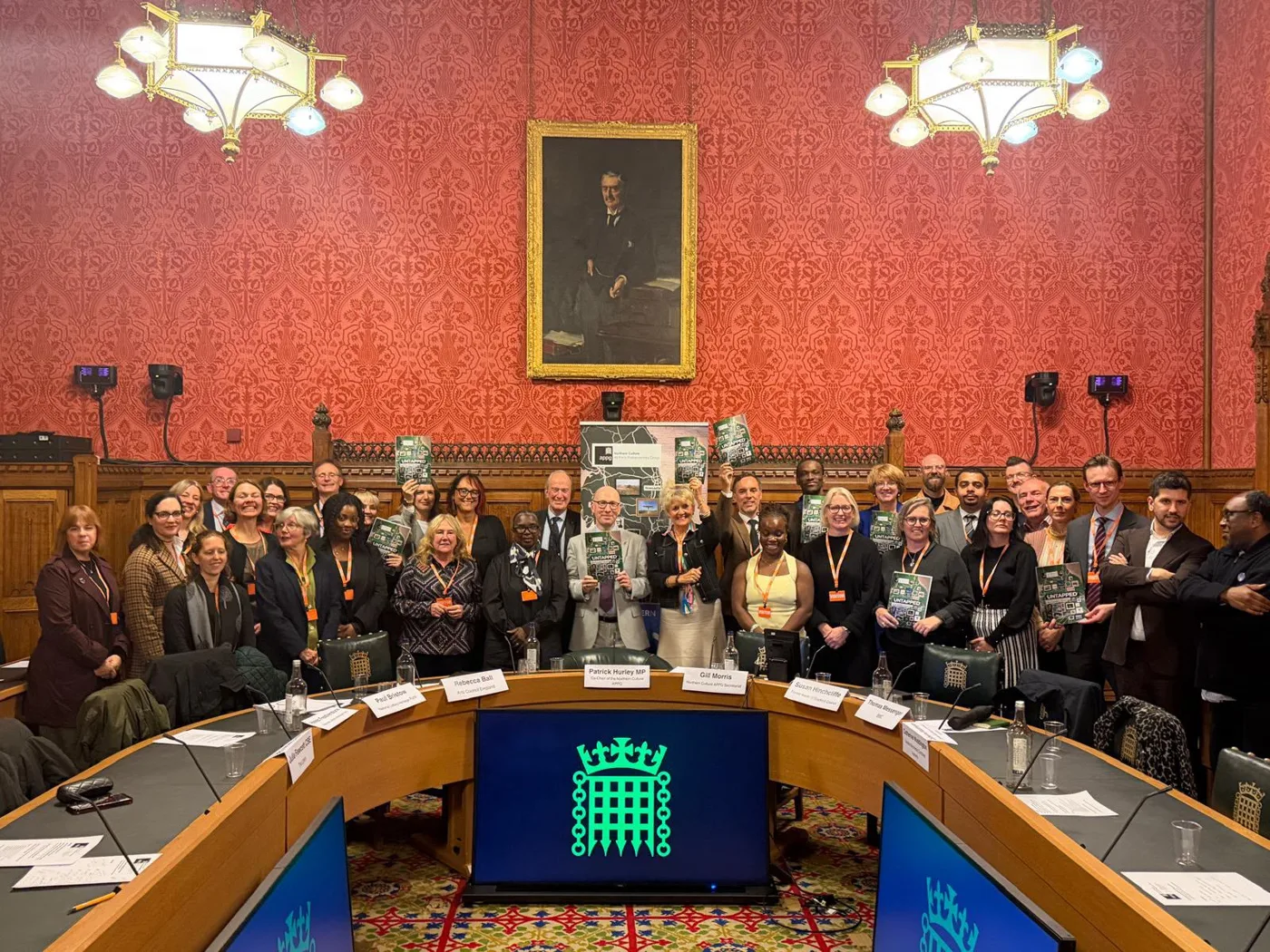

Patrick Hurley's Northern Culture Untapped report says culture money sits in London and asks Mayors to fund venues and heritage in towns like Southport.
Southport’s MP, Patrick Hurley, has launched a parliamentary report arguing that the North is losing out on economic growth because its culture gets too little investment, and that towns like Southport should share in it, not only the big cities.
The report, Northern Culture Untapped: An Inquiry into the North’s Great Cultural Capital, was published this month by the All-Party Parliamentary Group (APPG) for Northern Culture, which Patrick Hurley chairs.
What the inquiry looked at
The inquiry took evidence from cultural organisations, creative businesses, universities, councils and industry figures across the North, among them the BBC and Arts Council England, and made visits to Bradford and Salford. It asked how the North’s museums, theatres, music venues, historic buildings, festivals and creative businesses could be better used to create jobs, bring in investment and regenerate places.
Its conclusion, as Patrick Hurley’s office puts it, is that the North already has “extraordinary cultural wealth” but that much of its economic potential is unrealised. Cultural investment, creative jobs and decision-making in the industry remain “disproportionately concentrated in London”, the inquiry found, while Northern towns, coastal communities and rural areas face extra barriers to investment, transport and opportunity.
The figures in the report
The report sets out what culture already brings in:
- £10.4 billion: the estimated economic contribution of the North’s arts, culture and heritage sectors.
- £54.8 million: the net economic benefit to the Liverpool City Region from hosting Eurovision in 2023.
- £450 million: the annual economic contribution of BBC North in Salford.
- £681 million: the economic value generated by The Glasshouse International Centre for Music in Gateshead over 20 years.
It also cites research suggesting that stronger growth in the North’s creative industries could add £10 billion of economic output by 2030. That figure comes from separate research into the Northern creative industries, not from the inquiry itself, and the MP’s office notes that the figures come from different studies and should not be added together.
What it asks for
The report’s recommendations are:
- culture placed at the heart of economic growth strategies for the North;
- more powers for Mayors to invest in cultural buildings and infrastructure;
- better access to finance for cultural and creative organisations;
- stronger routes into creative jobs;
- long-term investment in cultural venues and heritage;
- a shared cultural investment framework drawn up by the Northern Mayors together, to identify where investment could go.
It also argues for closer work between national government, the Mayoral Combined Authorities and cultural organisations, with cultural investment treated as part of the government’s wider plans for growth and regeneration.
What Patrick Hurley said
Patrick Hurley, MP for Southport and the Northern Parishes, said:
“The North has never been short of culture, creativity or talent. We have produced some of the greatest musicians, writers, artists and performers this country has ever seen, and our towns and cities are home to extraordinary cultural institutions.
“What we have lacked is the investment, infrastructure and opportunities needed to make the most of what is already here.
“The transformation of Salford Quays and the success of Liverpool’s Eurovision show what can happen when cultural investment is taken seriously. But those opportunities should not be limited to our biggest cities.
“If we want growth in every postcode, we have to back places like Southport and help local economies realise their enormous cultural potential.”
He named two local groups as examples:
“From our theatres and Victorian civic heritage to growing independent creative organisations like the newly formed Southport Music Board and Southport Creatives, we already have the foundations for something really exciting.
“Since I was elected in 2024, I have been determined to make sure the creative industries get the backing they deserve. Culture should not be treated as an optional extra; it is a vital part of our economic infrastructure.
“The North does not need to invent its cultural capital. We already have it. Now we need the ambition and investment to unlock it.”
What happens next
Nothing changes on the strength of the report alone. Patrick Hurley says he will raise its findings with ministers and press the government to consider its recommendations.
Have your say